
Branding Industry Trends 2026: What Startups Are Investing In Now
- 56 min read
- Last updated: June 15th, 2026
Written by
Ethan Weston
Growth Marketer
Something fundamental has shifted in the business landscape over the last few years, and you can actually see it playing out in real time if you just take a moment to observe. Walk into any coffee shop where people are working, and you will notice it immediately, the energy is different, the conversations are different, and the way founders think about their businesses has completely evolved.
Founders, creators, and people building something from nothing are all gathered in these spaces, and they all have one thing in common that sets them apart from the entrepreneurs of a decade ago. They are looking for branding trends in 2026 and following them!
The New Reality Of Branding
Customers have gotten exponentially smarter over the years, and they can smell inauthenticity from a mile away, which means they want real connections, real meaning, and something they can actually believe in rather than just another polished corporate front.
So, startups are changing how they think about branding, they are investing differently than their predecessors, and they are building differently with a clear understanding that the rules have fundamentally changed. And the ones getting it right?
They are growing faster than everyone else, which is exactly why we need to look at branding trends 2026 and analyze what's actually working, what smart startups are spending money on, and what it all means for your business moving forward.
Why Modern Branding Matters More Now
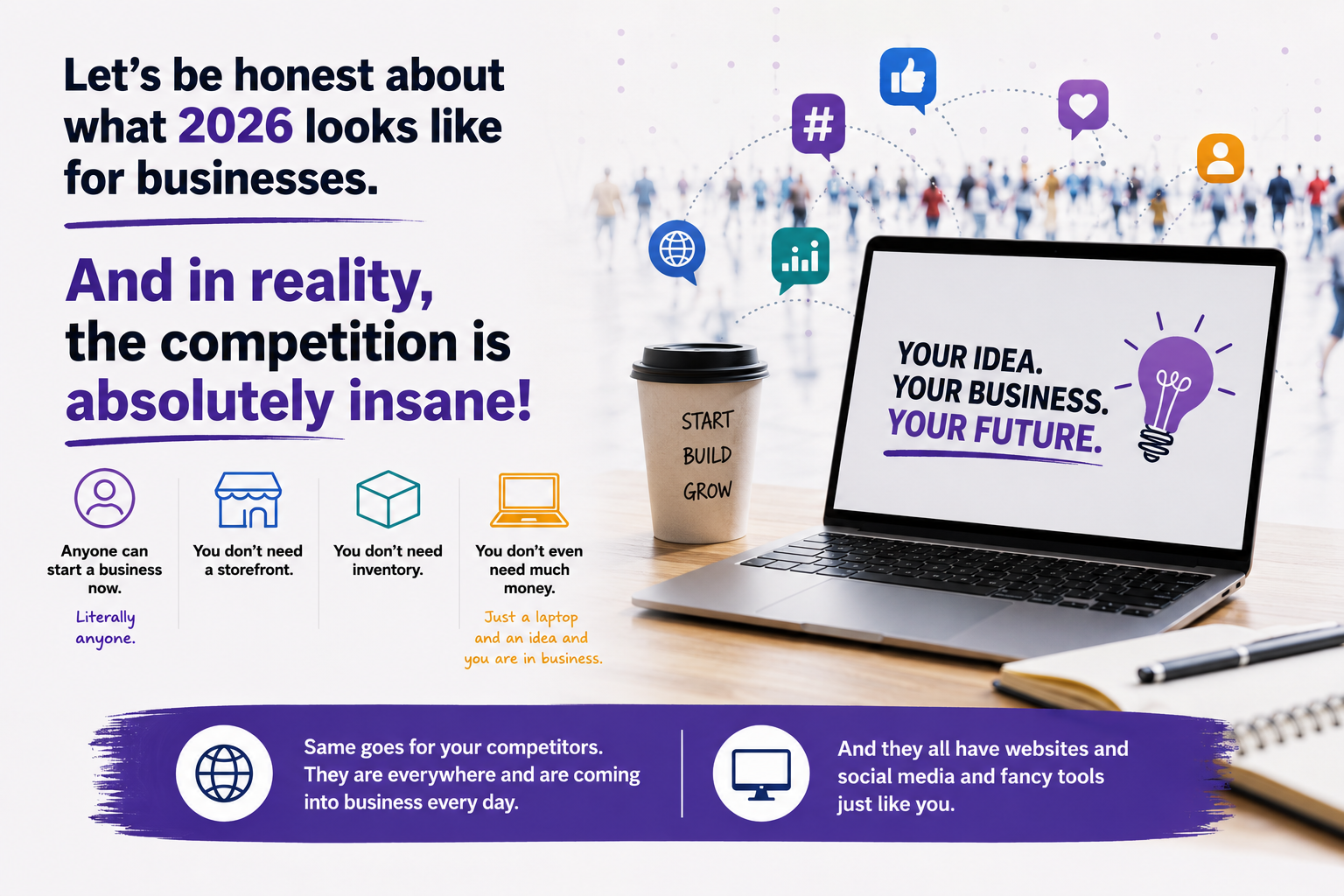
Let's be completely honest about what 2026 looks like for businesses, because the reality is that the competition has become absolutely insane in ways that would have seemed unimaginable just a few years ago. Anyone can start a business now, and I mean literally anyone with a laptop and an idea can be up and running within hours, because you don't need a storefront, you don't need inventory, and you don't even need much money to get started in most industries.
The same goes for your competitors, who are everywhere and are coming into business every single day, all armed with websites, social media presence, and fancy tools that look just as polished as yours do. So, here's the real question that keeps founders up at night: with all those choices available to consumers, how do people actually decide who to buy from when everything looks so similar on the surface?
They choose based on feeling, and that's the uncomfortable truth that many business owners resist accepting because it's not something you can easily measure or optimize for. It's not about features, it's not about specs, and it's not even about price most of the time, it's about feeling, trust, and that intangible human connection that never shows up on spreadsheets or in quarterly reports.
A strong brand makes people feel something real, and that emotional response is what makes them choose you even when someone right next to you is offering a cheaper price or a similar product. It makes them come back next time instead of trying someone new, and it makes them tell their friends about you without you even having to ask, which is the most powerful marketing there is.
That's why smart startups are pouring money into modern branding right now, not because it's nice to have or because it makes things look pretty, but because in a world where everyone can build a website, branding is literally the only way to stand out from the crowd. Everything else can be copied, your product, your pricing, your features, but your brand cannot be replicated, and that's your ultimate competitive advantage.
Branding Trends 2026 You Should Know
A modern website without a clear identity feels hollow and empty, like a beautiful house with no furniture or personality to make it feel like a home. Strong brands today are built for digital spaces first, and they are what many call digital-first brands, which means they think about how identity looks on screens before they ever consider printing anything.
That particular mindset is shaping investments this year in profound ways, so let's look at the trends in 2026 you should keep in mind as you build or refine your own brand strategy.
TREND #1: SUSTAINABILITY BRANDING ISN'T OPTIONAL ANYMORE
Let's start with the big one, because this trend has moved from the fringe to the absolute center of how brands are expected to operate in 2026. Sustainability branding used to be something that companies added if they had extra budget lying around, perhaps a little green leaf on the packaging or a paragraph about recycling buried somewhere on the website, but those days are long gone.
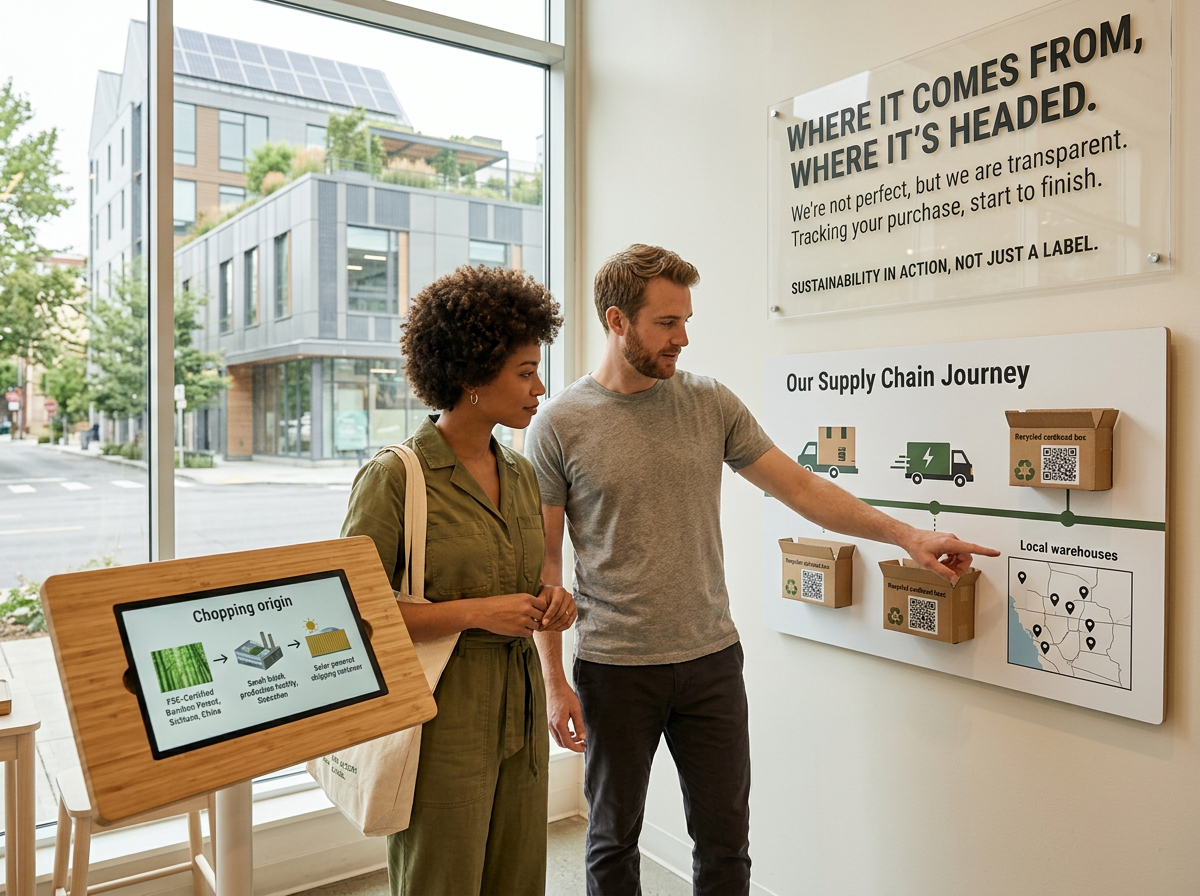
In 2026, customers expect it as a baseline requirement, especially younger consumers who have grown up with climate change as a defining issue of their generation, and they want to know where things come from, how they are made, and what happens after they're done using them. Here's the catch, though, they can also tell fakes from a distance, and pretending to be sustainable when you are not, a practice known as “greenwashing,” is now considered career mortality for any brand that gets caught doing it.
Smart businesses are emphasizing and incorporating environmental branding into everything they do, not as a promotional item tacked on at the end, but as a fundamental component of their identity from the very beginning. This means using sustainable materials throughout their supply chain, rethinking packaging to reduce waste, optimizing shipping to lower carbon footprints, and being transparent about every step of the process.
They are also very open about their current position on the journey, admitting things like “we are not flawless, but this is what we are doing and where we are headed,” because being truthful about imperfections actually fosters greater trust than pretending to have everything figured out.
TREND #2: AUTHENTIC BRANDING BEATS POLISHED ONES
For the longest time, the goal of branding was always about achieving perfection, and I mean absolute, unattainable perfection in every single aspect of how a brand presented itself.
Perfect photos with exceptional lighting that looked like they belonged in a magazine, phenomenal words that went through seventeen rounds of edits until all the personality was sanded away, and everything polished to a mirror shine that felt like it was made by robots for robots to consume. People got tired of it, and honestly, they got tired of it a long time ago, which is why authentic branding is now winning everything in the marketplace.
Genuine photos that look like real life have replaced the staged studio shots, real people who don't look like models are now the face of brands, and real stories with actual struggles, not just highlight reels, are connecting with audiences in ways that polished perfection never could. Smart startups are showing what happens behind the scenes, like the messy desk where work actually gets done, the product that failed before they finally figured it out, and the customer complaint they handled with grace and honesty rather than sweeping it under the rug.
This doesn't mean being sloppy or unprofessional, because that's not what authenticity is about, it means being real, looking like actual humans run the company, and trusting that customers will connect with that humanity far more than they ever connected with the polished, airbrushed version that always felt just a little bit fake.
TREND #3: PERSONAL BRANDING FOR FOUNDERS
Something truly interesting is happening in the startup world right now, where the lines between startup brands and founder brands are blending together until you can't tell where one ends and the other begins. People genuinely want to know who's behind the company now, and I don't mean just knowing the logo or reading the mission statement, they want to know the actual human being who is making decisions and steering the ship.
Personal branding for founders isn't about ego anymore, and it never really was about that; it's pure trust building, because when customers know the founder, their real story, their actual values, and what their face looks like, they trust the company more in ways that are difficult to quantify but very real in practice.
So, founders are showing up everywhere now, on social media being themselves rather than hiding behind a corporate facade, in emails that actually sound like they came from a real person, and on the website with their real face rather than some generic stock photo of a model. They are not hiding behind “the company” but standing right in front of it, owning what they built and taking responsibility for their vision.
This works especially well for small businesses and startups because big corporations simply can't do this, their founders are faceless executives that nobody knows or recognizes. But you? You can be real, you can be human, and that's not a disadvantage at all, that's your biggest advantage over the big guys, and you should absolutely use it.
TREND #4: DIGITAL-FIRST BRANDS THINK DIFFERENTLY
Digital-first brands approach branding from a completely different angle than traditional businesses, and that difference in perspective is what sets them apart in meaningful ways. They start with the screen because that's where people actually meet them for the first time, which means everything has to work perfectly on a phone first, with colors that pop on those bright OLED displays, text that remains readable even at tiny sizes, and logos that still look good as little app icons on crowded home screens.
But the smart ones don't stop at the screen, because they understand that the brand experience extends far beyond the digital realm and into the physical world in important ways.
They think beyond it too, considering how the brand feels when a package finally arrives at your door, what the unboxing experience is like, and when someone spots a sticker on a laptop or drives past a billboard, what emotion does that evoke in them.
The most successful digital-first companies design experiences that work everywhere, not the same everywhere, but consistently “you” everywhere, so that your phone feels like them, your package feels like them, and your inbox feels like them, it's all connected because they thought about all of it from day one rather than treating each channel as a separate, disconnected entity.
TREND #5: BRAND STORYTELLING GETS REAL
For years, the concept of “storytelling” in branding meant making stuff up, creating origin stories that sounded good in a pitch deck but weren't actually true or reflective of how the business came to be. Not anymore, because brand storytelling in 2026 means telling the real story, the messy one with all its ups and downs, the one that actually happened rather than the sanitized version that smooths over all the rough edges.
Startups are getting comfortable with vulnerability, sharing the struggles along with the wins, talking about what didn't work, and being honest about mistakes rather than pretending everything went perfectly from the beginning.
This works because it's deeply relatable, since every business owner has struggles, and when you share yours, other people see themselves in you and feel that sense of connection that builds lasting loyalty. They connect with your journey, they root for you when things get tough, and when you win, they celebrate with you because they feel like they've been part of the story all along.
TREND #6: INCLUSIVE DESIGN AS STANDARD
Inclusive design isn't a checkbox anymore, and it's certainly not something you do just to feel good about yourself, it's simply how things are built now, and customers expect nothing less. This means designing for everyone from the start, not adding accessibility later as an afterthought, and not treating it as an extra feature that you will get to eventually, but building it in from day one as a fundamental principle.
That means colors with enough contrast for people with vision issues, text that screen readers can understand, navigation that works for people who can't use a mouse, and images that include people of all kinds rather than just one narrow demographic.
But it goes deeper than accessibility, because it's about making everyone feel genuinely welcome, representing different kinds of people in photos and stories, using language that doesn't exclude anyone, and building products that work for different needs and different ways of experiencing the world.
Startups that get this right build brands that feel like they are for everyone, because they actually are, and that sense of belonging is incredibly powerful in building a loyal customer base.
TREND #7: VISUAL IDENTITY GETS FLEXIBLE
Creating a brand which has a single logo, with only one color schema, and providing solutions in a simple manner, this is old thinking and branding trends 2026 are firmly against it. Therefore, in this digital era, new thinking tells businesses to build a system that they can flex and adapt to different contexts and platforms rather than locking themselves into rigid, unchanging visual assets.
Startups are building flexible visual identities, with logos that can change colors depending on where they appear, different versions for different uses, and room to play within the system while maintaining brand recognition.
This doesn't mean chaos or inconsistency, because that would defeat the purpose entirely, it means smart rules that allow for creativity, where the logo always feels like the logo even when it's purple on Instagram and black on the website. This flexibility helps brands feel fresh and current without losing the recognition they've worked so hard to build.
TREND #10: PURPOSE OVER FEATURES
Old brand design trends used to talk about how the product works, sharing the specs, and informing readers why they are better than the competition in some technical way that didn't really connect emotionally. But the modern startup branding trends tell why the business even exists in the first place, sharing their vision, inspiration, and what change they desire to bring into the world.
Startup founders are leaning towards purpose-driven branding because this allows the customers to feel something, like their purchase has some meaning beyond just acquiring a product or service. They desire to be part of the bigger picture, to contribute to something that matters, and purpose-driven brands give them that opportunity.
However, this doesn't mean that every brand must start saving the planet, because that's not realistic or authentic for every business, but each brand must understand the reason for their existence beyond just making money. They need to capitalize on their vision, how they are solving existing problems, who they are helping, and why people should care about what they are doing.
When you as a brand have clear answers to these questions, you can easily communicate them to your customers, and people will line up to join in your cause.
Brand Design Trends That Are Not Working Anymore
Let's be real about what's fading fast, because these used to work reasonably well but now they just make you look behind the times and out of touch with modern audiences. Generic stock photos with those fake smiles and staged meetings? Everyone sees through them now and cringes, so use real photos instead of that manufactured corporate imagery.
Corporate speak with words like “synergy,” “leverage,” and “circle back” needs to go, because real humans don't talk like this and you shouldn't make your brand sound robotic and soulless. Inconsistent presence, showing up for a month then disappearing for three, is a sure way to lose trust, because brands need steady consistency now more than ever in a crowded attention economy.
Ignoring feedback is deadly, because customers expect to be heard and brands that don't listen get left behind quickly in favor of those that do. And finally, perfect but boring design that looks like everything else and won't offend anyone but also won't excite anyone? Take some risks, because safe design is invisible design, and invisibility is the last thing you want in 2026.
What Startups Are Actually Spending On
Let's get practical about where the money is actually going, because understanding investment priorities is just as important as understanding trends. Smart startups pay for brand strategy before they ever touch design, answering fundamental questions like “who are we, who are our customers, and what do we stand for?” and getting that right first before spending money on anything else.
They prioritize quality over quantity, with one amazing photoshoot beating twenty cheap stock photo subscriptions, and one great designer beating five mediocre ones who just churn out generic work. They build systems, not one-offs, creating brand guidelines that actually work, tools that make consistency easy, and systems that scale as the business grows. They invest in measurement, tracking brand awareness, sentiment, and share of voice, not just sales numbers, but brand health metrics that indicate long-term viability.
And they invest in talent, hiring people who truly understand brand strategy rather than just design execution, writers who get voice, strategists who understand positioning, and community people who understand connection.
Modern Branding For Different Stages
This is what you need to understand thoroughly, because each stage of your business journey demands something different from your brand, and knowing what to focus on when can save you enormous amounts of time and money. In the pre-launch stage, before you spend a dime on design, get crystal clear on who you are, what you actually do, who needs it, and why they should care, strategy first, always, with design coming later because clarity now saves chaos later.
In the early stage, invest in foundations that actually last, like a logo that works everywhere, clear voice guidelines so you sound like you consistently, a website that converts visitors into customers, and consistent visual identity across everything you do.
In the growth stage, you need systems that scale, with brand guidelines that anyone can follow, templates for everything you create regularly, and processes that keep quality high as you add people to the team. In the scale stage, protect what you built, maintain consistency across more channels than you ever imagined, defend against brand dilution as more people touch your work, and keep the soul intact as you get bigger, because that's honestly the hardest part of the entire journey.
Let Us Help You Build A Brand That Lasts
Startup branding trends point in one clear direction: real over perfect, purpose over features, and connection over broadcast in every single interaction you have with your audience. Smart startups are investing in sustainability that's sustainable, in authenticity that's authentic, and in community that's community rather than just performative gestures.
They are building digital-first brands that work everywhere, telling stories that matter, and designing for everyone from day one rather than as an afterthought. And they are doing it because it works, because customers respond to genuine connection, and because in a world of endless choices, people ultimately choose brands they believe in.
Looking for someone who understands branding trends 2026 better and can guide you with evidence rather than just opinions? At The Designers Agency, we help startups build brands that actually work, not trends for the sake of trends, just smart strategy and great design that helps you grow. We understand sustainability branding, authentic branding, and we are experts in creating inclusive designs throughout everything we do. You bring the vision, and we bring the expertise, and together we can build something that people believe in.

Unlocking Digital Prowess through Innovative Solutions and Unparalleled Customer Service.